Author: Lionel Poizner

HubSpot AEO vs. Ahrefs Brand Radar: Features compared [2026]
As more buyers skip search entirely and go straight to ChatGPT, Gemini, or Perplexity for recommendations, marketers are realizing they need a new kind of tool — one that shows them how their brand appears in AI answers and what to do about it. That’s what both HubSpot AEO and Ahrefs Brand Radar are built for. But they take meaningfully different approaches, and the right choice depends almost entirely on what you need to do after you get the data.
What 50k Query Fan-Outs Reveal About Brands (+ Free Data!)
What do 50k query fan-outs reveal about LLM bias, brand visibility, and search intent? Explore fresh data on Gemini prompts + download the free raw dataset.
Microsoft Advertising adds excluded content terms for Audience Ads
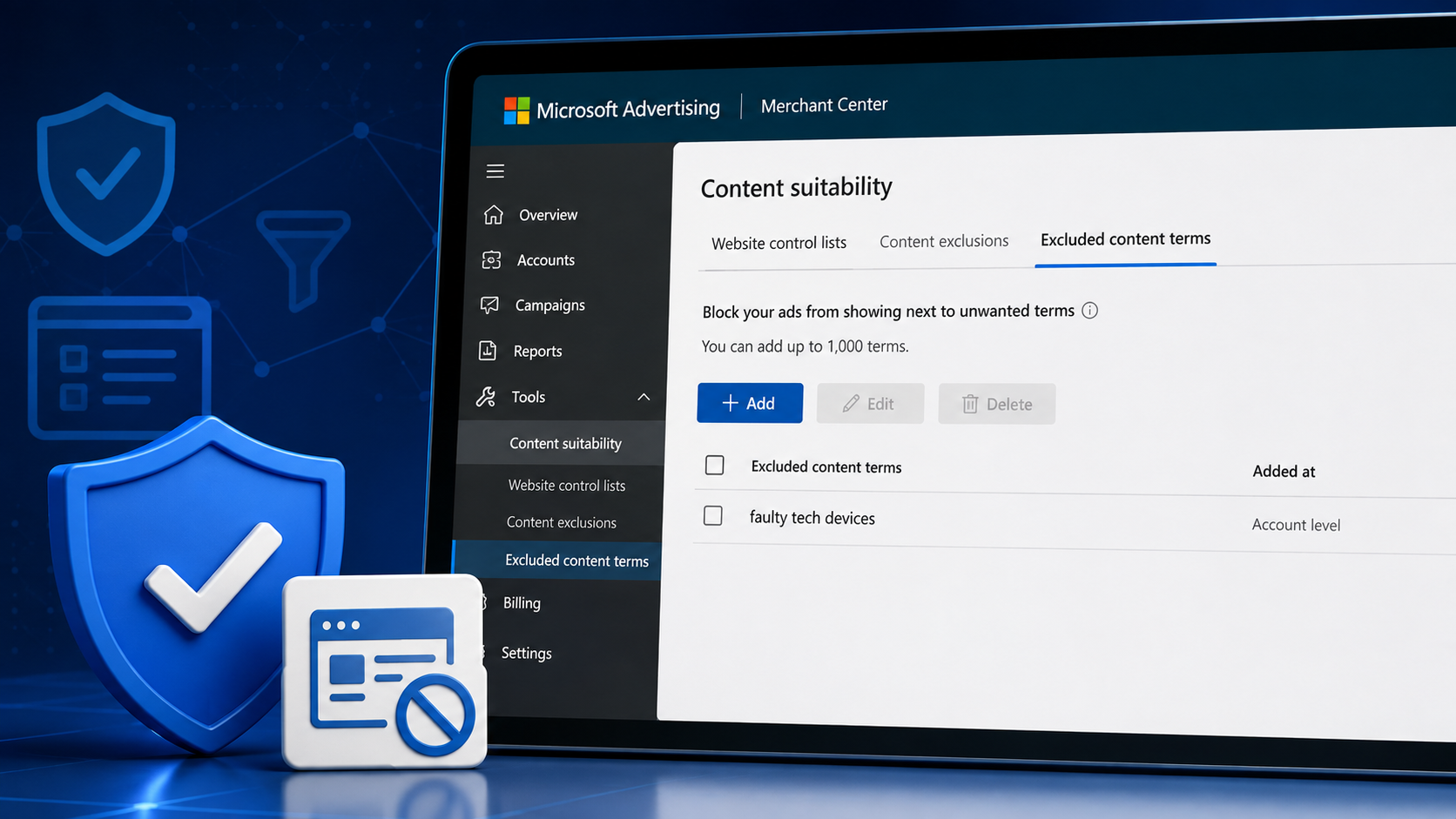
Microsoft now lets advertisers block Audience Ads from appearing next to specific page titles, for more control over ad placement.
Does topical focus make your brand more visible?

New research reveals why AI cites brands across many topics but recommends them only where they’ve built repeat topical authority.
Brand tracking tools for scaling companies

Brand tracking tools help growth marketers gauge what people say about the brand, whether it’s good or bad, and why they choose competitors, all at scale. Brand monitoring also reveals AI share of voice and what you should improve to be cited more by LLMs.
Scrunch vs. Peec AI: Which tool fits your AEO strategy? [2026]
%20(5%20(1).png)
If you’re comparing Scrunch versus Peec AI, you need to know your buyers are already forming opinions about your brand in answer engines like ChatGPT, Perplexity, and Google AI Mode before they ever reach your website.
Announcing the First Batch of Speakers for Mozcon London 2026
We’ve officially dropped the initial speaker lineup for MozCon London on November 13th, 2026! If you’re looking to future-proof your search strategy, this speaker drop gives you a preview of the high-signal, tactical sessions coming your way.
HubSpot AEO Grader vs. Peec AI: Features, pricing, and use cases

If your buyers are asking ChatGPT for vendor recommendations instead of scrolling through Google results, your brand’s visibility in AI search engines matters as much as your organic rankings … maybe more. That shift is what’s driving the rapid adoption of answer engine optimization as a discipline, and it’s why marketers are now evaluating dedicated tools to track, measure, and improve how AI platforms characterize their brand. The challenge isn’t awareness that AI is reshaping search; it’s choosing the right tool to address it.
5 Semrush AI visibility alternatives worth testing

For many, Semrush is the gold standard for tracking traditional SERP rankings, and the tool has recently added AI visibility features to its suite. However, there are plenty of Semrush AI visibility alternatives on the market worth exploring.
I Tested 15 of the Best Brand Monitoring Tools: Here Are My Top 8 Picks
Looking for the best brand monitoring tool? I tested 15 and ranked my top 8 for AI search visibility, social listening and traditional media.
Recent Comments